 11
11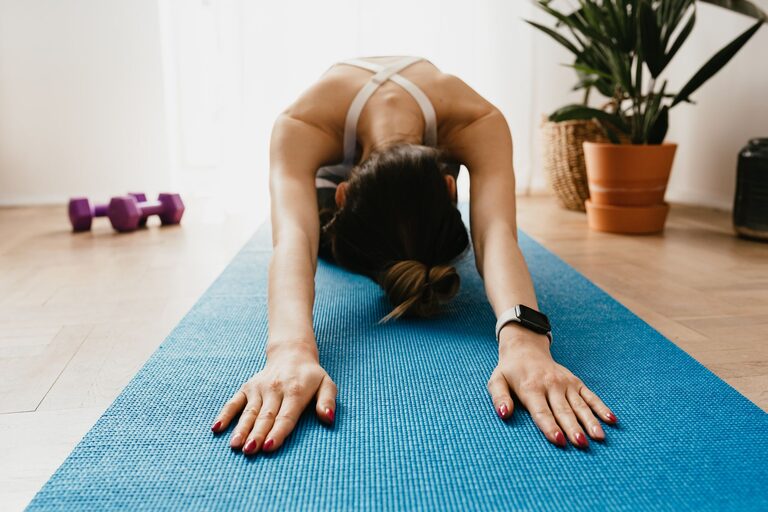
Stretching is a simple and effective way to enhance your flexibility, improve circulation, and reduce muscle tension—all from the comfort of your home. Whether you’re new to exercise or looking to add a gentle routine to your day, stretching can be easily incorporated without any special equipment. This beginner’s guide will walk you through the basics of stretching at home, including why it’s important, how to get started, and examples of safe, effective stretches.
Stretching plays a key role in overall physical health. Regular stretching can:
– Improve muscle flexibility and joint range of motion
– Help prevent injuries by preparing muscles for activity
– Reduce muscle soreness and tension after exercise
– Enhance posture and balance
– Promote relaxation and reduce stress
Even if you’re not an athlete, gentle stretching can help counteract the effects of sitting for long periods or repetitive movements, making you feel more comfortable and energized.
Before you begin, it’s important to follow some basic safety tips to avoid injury:
– Warm up first: Stretching cold muscles can cause strains. Spend 5–10 minutes warming up with light activity like walking or marching in place.
– Be gentle: Stretch slowly and avoid bouncing, which can lead to injury. Move into each stretch gradually.
– Listen to your body: Stretching should feel like a gentle pull, not pain. If you feel sharp pain or discomfort, ease up or stop.
– Breathe deeply: Relax and breathe naturally throughout the stretch to help your muscles release tension.
– Hold stretches: Generally, hold each stretch for 15–30 seconds and repeat 2–3 times for best results.
Here’s a simple routine that targets major muscle groups. You can do this routine 3–5 times per week or daily if you prefer.
– Sit or stand tall.
– Slowly tilt your head to the right, bringing your ear toward your shoulder.
– Hold for 20 seconds, then switch sides.
– This helps relieve neck tension caused by looking down at screens or poor posture.
– Bring your right arm across your chest.
– Use your left hand to gently pull your right arm closer to your chest.
– Hold for 20–30 seconds, then switch arms.
– This stretch loosens tight shoulder muscles.
– Stand in a doorway with your arms bent at 90 degrees, hands resting on the doorframe.
– Step forward gently with one foot until you feel a stretch across your chest.
– Hold for 20–30 seconds.
– This helps open up tight chest muscles, especially after sitting hunched over.
– Start on your hands and knees in a tabletop position.
– Inhale, arch your back, lifting your head and tailbone (Cow).
– Exhale, round your spine, tucking your chin and tailbone (Cat).
– Repeat slowly 5–8 times.
– This stretch promotes spinal flexibility and relieves back tension.
– Sit on the floor with your legs extended straight in front of you.
– Slowly reach forward toward your toes, keeping your back straight.
– Hold the stretch for 20–30 seconds.
– This stretch targets the hamstrings and lower back.
– Stand and hold onto a chair or wall for balance.
– Bend your right knee, bringing your heel toward your buttocks.
– Hold your ankle with your right hand and gently pull.
– Hold for 20–30 seconds, then switch legs.
– This stretch loosens the front thigh muscles.
– Stand facing a wall with your hands on the wall at shoulder height.
– Step your right foot back, keeping it flat on the floor, and bend your left knee.
– Lean into the wall until you feel a stretch in your right calf.
– Hold for 20–30 seconds, then switch sides.
– This helps improve ankle flexibility and calf muscle tightness.
– Choose a consistent time: Mornings, breaks during work, or evenings—pick what works best for you.
– Set realistic goals: Start with just 5–10 minutes daily and gradually increase.
– Create a comfortable space: Use a yoga mat or soft surface where you can stretch safely.
– Combine with other activities: Stretch after walks, workouts, or even during TV time.
– Track your progress: Notice how your flexibility and comfort improve over time to stay motivated.
Stretching is generally safe for most people, but if you have existing injuries, chronic pain, or specific health conditions, it’s a good idea to consult with a physical therapist or healthcare professional before starting a new routine. They can help tailor stretches to your needs safely.
—
Stretching at home is a convenient and cost-free way to improve your physical comfort and well-being. With a few simple moves and regular practice, you can increase your flexibility, reduce tension, and enjoy more ease in your daily movements. Remember to be patient with your body, stay consistent, and most importantly, enjoy the process!