
 11
11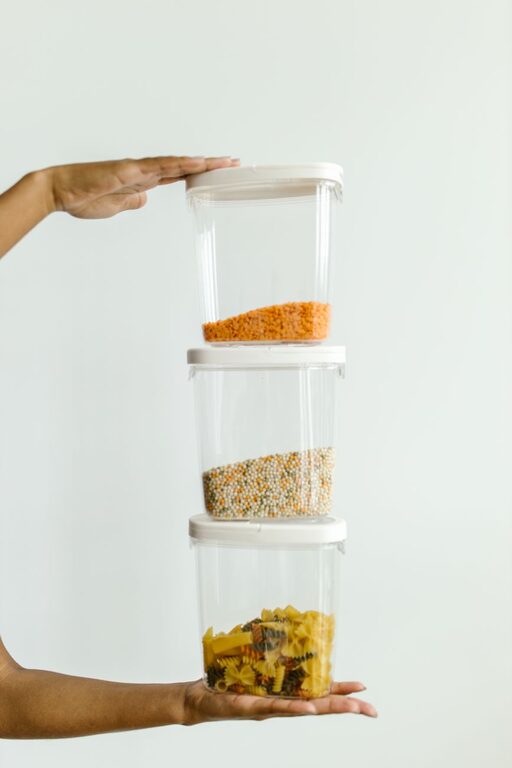
Planning meals from pantry staples is a practical and economical way to enjoy home-cooked dinners without extra trips to the grocery store. Whether you have a well-stocked pantry or a handful of basics, you can create satisfying meals by knowing what ingredients work well together and how to combine them creatively.
In this guide, we’ll explore how to assess your pantry, build a flexible meal plan, and use common ingredients in delicious ways.
– Save money: Using what you already have reduces grocery bills.
– Save time: Less shopping means more time for cooking or relaxing.
– Reduce waste: Using pantry items before they expire helps cut down on food waste.
– Boost creativity: You’ll learn new ways to combine familiar ingredients.
Start by taking a clear look at what’s on your pantry shelves. Group items into categories for easy reference:
– Grains: rice, pasta, quinoa, oats
– Canned goods: beans, tomatoes, vegetables, broth
– Spices and herbs: basil, cumin, chili powder, garlic powder
– Baking essentials: flour, sugar, baking powder
– Oils and vinegars: olive oil, vegetable oil, apple cider vinegar
– Condiments: soy sauce, mustard, ketchup, hot sauce
– Snacks and nuts: nuts, seeds, dried fruit
If you find items that are expired or you never use, consider donating unopened items or replacing them with staples you’ll use more often.
A good meal usually includes:
– Protein: canned beans, lentils, tuna, or pantry-friendly prepared proteins
– Carbohydrates: rice, pasta, or bread
– Vegetables: fresh when possible, or canned/frozen vegetables from your pantry
– Flavor: herbs, spices, sauces, and condiments
– Bean and rice bowl: cooked rice topped with seasoned canned beans, sautéed canned corn, and salsa
– Pasta with tomato sauce: pasta with canned tomatoes, garlic powder, olive oil, and dried herbs
– Lentil soup: lentils, canned vegetables, broth, and spices simmered together
– Chickpea curry: canned chickpeas cooked in a sauce with coconut milk (if available) or tomato sauce and spices such as curry powder and cumin
– Tuna salad: canned tuna mixed with mustard, mayo, and chopped pickles or relish served on bread or crackers
To keep things simple, plan meals based on three components:
By mixing items from these categories, you can quickly create a variety of meals with what you have on hand.
Having a go-to list of recipes that use pantry staples helps when meal planning or during busy days.
– Chili: ground cumin, canned beans, diced tomatoes, and chili powder cooked with onions or garlic powder
– Fried rice: leftover rice stir-fried with canned vegetables, soy sauce, and scrambled eggs or canned chicken
– Pasta primavera: pasta with canned artichokes, olives, olive oil, garlic, and herbs
– Shakshuka: canned tomatoes simmered with spices and topped with eggs (if available)
– Peanut noodles: pasta tossed with peanut butter, soy sauce, and chili flakes
Search for recipes online or compile a list that matches the items you usually have.
When restocking your pantry, focus on versatile, long-lasting items:
– Canned beans and legumes
– Rice and pasta
– Canned tomatoes and vegetables
– Broth or bouillon cubes
– Essential spices and dried herbs
– Cooking oils and vinegars
– Nut butters and canned fish
Buying in bulk or during sales can save money. Also, consider your family’s preferences to avoid waste.
Arrange your pantry so you can quickly see what you have:
– Use clear containers or labelled jars for dry goods like rice, flour, and pasta.
– Keep frequently used items at eye level.
– Group similar ingredients together.
– Place expired or soon-to-expire items in front as a reminder to use them.
A well-organized pantry makes meal planning faster and more enjoyable.
– Keep a meal plan: Write down meals for the week using pantry items to reduce last-minute decisions.
– Prep in advance: Cook grains, beans, or sauces ahead to save time.
– Be flexible: Substitute ingredients as needed and experiment with flavors.
– Freeze extras: Portion leftovers to freeze for busy days.
Planning meals from pantry staples helps you eat well without stress or extra trips to the store. With a little organization and creativity, you can turn basic ingredients into tasty dishes that keep your family satisfied. Start by taking inventory, planning balanced meals, and keeping your pantry stock smart and organized. Happy cooking!